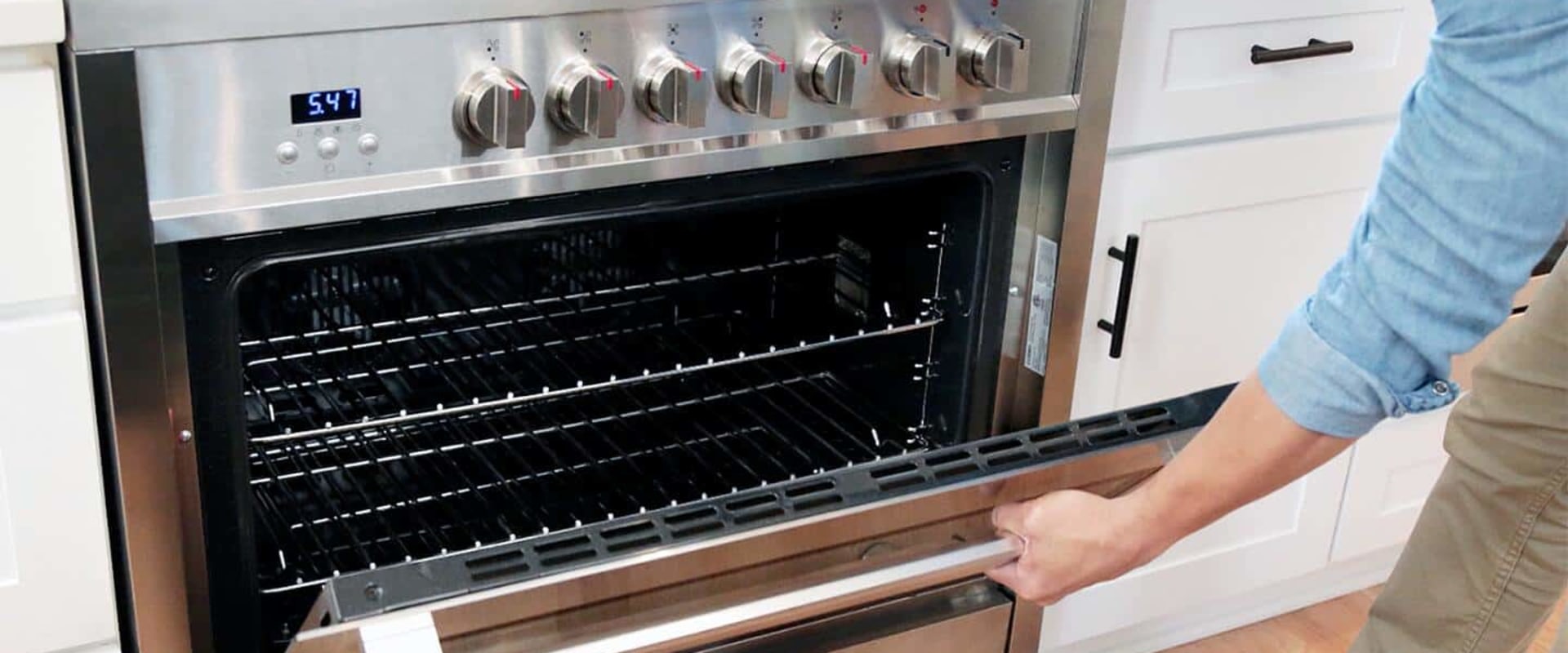
When it comes to cooking, having the right tools at your disposal is only half the battle. The other half lies in knowing how to use those tools effectively. Whether you're a seasoned chef or a novice in the kitchen, understanding the oven and stove instructions is crucial for creating delicious meals and ensuring your kitchen appliances function safely and efficiently. In today's fast-paced world, where time is of the essence, many people overlook the importance of reading and following the guidelines provided by manufacturers. However, these instructions are not just suggestions; they are essential for maximizing the performance of your appliances and minimizing the risk of accidents.
From adjusting temperatures to selecting the right cooking settings, each aspect plays a pivotal role in your culinary success. This article, titled Essential Instructions for Using Your Oven and Stove, is designed to equip you with the knowledge you need to master these fundamental kitchen appliances. We will delve into various aspects such as safety tips, maintenance advice, and step-by-step guidance on using different features of your oven and stove. So, whether you’re baking a cake, simmering a sauce, or roasting vegetables, you'll feel confident in your ability to achieve perfect results every time. Join us as we explore the intricacies of your oven and stove, transforming your cooking experience from ordinary to extraordinary!Understanding how to properly use your oven and stove is essential for achieving successful cooking results. Each type of appliance has its unique features and operating methods, which can greatly affect your culinary experience.
In this article, we will explore the various types of ovens and stoves, how to operate them efficiently, troubleshoot common issues, and discuss preferences in cooking methods. There are several types of ovens available on the market today. The most common are conventional ovens, which use heating elements at the top and bottom to cook food. They provide a stable environment for baking and roasting but may have hot spots leading to uneven cooking.
Convection ovens
, on the other hand, have a fan that circulates hot air throughout the oven cavity, allowing for more even cooking and often reducing cooking times.Toaster ovens are smaller and more versatile, ideal for quick tasks like toasting, broiling, or reheating small meals. When it comes to stoves, there are two primary types: gas stoves and electric stoves.
Gas stoves
provide instant heat and precise temperature control, which many chefs prefer for their responsiveness. However, they require a gas line and can pose safety risks if not used properly.Electric stoves
, particularly those with smooth tops, offer consistent heating and are easier to clean but may take longer to adjust temperatures. Operating these appliances efficiently involves understanding their features.For ovens, it's crucial to preheat before baking or roasting; this ensures that the food cooks evenly. Familiarize yourself with temperature settings, as different recipes may require varying temperatures. Timers are also essential; make sure to set them accurately to avoid overcooking. Safety precautions include keeping flammable items away from the heat source and ensuring proper ventilation, especially with gas stoves.Troubleshooting common problems can save you time and frustration.
If you notice uneven cooking in your oven, check that the oven rack is positioned correctly and avoid overcrowding it with pans. For gas stoves, ignition issues may arise if the burner ports are clogged; cleaning them can resolve the problem. Digital displays on modern appliances may show error codes when malfunctions occur; consult your user manual for specific troubleshooting steps. To illustrate usage, consider some common recipes that utilize different functions of your oven and stove. Baking a simple loaf of bread requires precise temperature control; using a conventional or convection oven can yield excellent results if done correctly.
Meanwhile, sautéing vegetables or searing meat on a gas stove allows for immediate heat adjustments, enhancing flavor through caramelization. The debate between gas vs. electric stoves is ongoing among cooking enthusiasts. Many professional chefs prefer gas stoves for their ability to provide instant heat and visual cues while adjusting flames. Others advocate for electric stoves, citing their ease of use and safety features.
Ultimately, the choice may influence your cooking methods significantly, affecting everything from how quickly you can start boiling water to how you manage delicate sauces. The convenience of having instructions easily accessible online cannot be overstated. Whether you're looking for specific recipes or troubleshooting tips, the internet offers a wealth of information that can help enhance your culinary skills.
Mastering Your Stove: Gas vs. Electric
When it comes to cooking, understanding the differences between gas and electric stoves is crucial for optimizing your culinary experience. Each type offers unique advantages and disadvantages that can impact your cooking style and preferences.Gas stoves
are often favored by professional chefs and cooking enthusiasts due to their instant heat control and responsiveness.With a simple twist of the knob, you can adjust the flame and temperature in real-time, allowing for precise cooking techniques such as sautéing and searing. Additionally, gas stoves typically heat up faster than their electric counterparts, making them ideal for quick meal preparation. However, one downside is that they require a gas line, which may not be available in all homes, and safety concerns regarding gas leaks must be taken into account. On the other hand, electric stoves have become increasingly popular due to their ease of use and maintenance. They often come with smooth glass tops that are easy to clean and provide a modern aesthetic to any kitchen.
Electric stoves also offer consistent heating and are generally safer since there’s no open flame involved. However, they can take longer to heat up and cool down, which may require more planning during cooking. Furthermore, some users find that electric stoves lack the immediate temperature control that gas stoves provide. Ultimately, the choice between a gas stove and an electric stove depends on personal preferences, cooking habits, and kitchen setup. By understanding the pros and cons of each type, you can make an informed decision that best suits your culinary needs.
Understanding Your Oven: Types and Features
When it comes to cooking, ovens are essential appliances that come in various types, each designed to cater to different culinary needs.Understanding these options can significantly enhance your cooking experience. The most common type of oven is the conventional oven, which uses heating elements both above and below the food to cook it evenly. This type is ideal for baking and roasting, providing consistent results. For those who enjoy baking, a convection oven is a great choice as it features a fan that circulates hot air, ensuring even cooking and reducing cooking times. If you prefer a more versatile option, consider a combination oven, which combines the functionalities of a microwave and a conventional oven. This appliance allows for quick cooking as well as traditional baking and roasting, making it perfect for busy kitchens. Another popular choice is the self-cleaning oven, which simplifies maintenance by using high temperatures to burn off food residue, leaving behind only ash.
This feature can save time and effort in keeping your oven clean. When selecting an oven, consider your cooking habits and space availability. If you frequently bake, investing in a high-quality convection or combination oven may be worth it. For smaller kitchens, a compact or wall-mounted model can save valuable space while still delivering excellent performance. In addition to type, look for features such as temperature control, timers, and programmable settings that can enhance your cooking efficiency and accuracy. Understanding these options will help you choose the right oven that fits your lifestyle and culinary aspirations.
Basic Operation: Setting Up Your Oven and Stove
Properly setting up your oven and stove is essential for safe and efficient cooking.Follow these step-by-step instructions to ensure you get the best performance from your appliances.
Step 1: Read the Manuals
- Before using your oven and stove, take time to read the user manuals. These documents provide vital information about your specific models, including safety precautions and operational guidelines.Step 2: Ensure Proper Installation
- Make sure that both appliances are installed correctly. For gas stoves, check that the gas line is connected securely, and for electric ovens, ensure they are plugged into a suitable outlet. If you're unsure, consult a professional for installation.Step 3: Check Safety Features
- Familiarize yourself with the safety features of your oven and stove.Look for automatic shut-off mechanisms, temperature controls, and any child-lock features that may be available. These features are designed to prevent accidents and enhance safety in the kitchen.
Step 4: Setting Up Your Oven
- To set up your oven, start by selecting the desired cooking mode (e.g., bake, broil, convection). Adjust the temperature using the dial or digital interface. Preheating is crucial for many recipes; wait until the preheat indicator signals that the oven is ready before placing your food inside.Step 5: Preparing Your Stove
- For gas stoves, turn the knob to ignite the burner, ensuring that the flame is blue and steady.For electric stoves, select the appropriate burner and set it to the desired heat level. Always use cookware that is compatible with your stove type.
Step 6: Monitor While Cooking
- Keep an eye on your food while it's cooking. Use timers as necessary to avoid overcooking or burning your meals. It's also important to periodically check for any signs of malfunction or irregular behavior from your appliances.Safety Tips:
- Always keep flammable materials away from both your oven and stove.
- Never leave cooking food unattended, especially when using high heat.
- If you smell gas or notice a leak, immediately turn off the stove and ventilate the area.
Troubleshooting Common Issues
Understanding how to operate your oven and stove effectively is crucial for a seamless cooking experience.However, users often encounter several common issues that can disrupt their cooking process. Below are some frequent problems and their respective solutions.
1.Oven Not Heating
: One of the most frustrating issues is when your oven fails to heat up. This could be due to a faulty thermostat, a broken heating element, or an issue with the power supply. To troubleshoot, first check if the oven is plugged in and that the circuit breaker hasn’t tripped.If the power supply is fine, inspect the heating element for any visible damage or wear. If necessary, replace the faulty parts or consult a professional.
2.Uneven Cooking
: If your food is cooking unevenly, it might be because of improper rack placement or hot spots within the oven. To solve this issue, ensure you are using the correct rack position as per the recipe instructions and rotate your dishes halfway through cooking. Additionally, consider using an oven thermometer to check for accurate temperatures.3.Stove Burner Won't Ignite
: A common problem with gas stoves is when a burner fails to ignite.This could be caused by clogs in the burner holes or a malfunctioning igniter. Clean the burner holes with a soft brush to remove any debris and ensure the igniter is functioning properly. If it continues to fail, you may need to replace the igniter.
4.Smoke or Burning Smell
: If you notice smoke or a burning smell while using your oven or stove, it could indicate leftover food debris or grease that needs cleaning. Make sure to keep your appliances clean and free of any spills or residue.If the smell persists even after cleaning, it might be wise to seek professional help.
5.Oven Door Won't Close
: An improperly closing oven door can lead to heat loss and uneven cooking. Check for any obstructions in the door’s path, such as broken hinges or warped door frames. Adjust or replace any damaged components to ensure a proper seal. Having access to clear instructions online can make troubleshooting these common issues much easier, allowing users to resolve problems quickly and get back to enjoying their cooking experience.Where to Find User Manuals Online
Finding user manuals for your specific oven and stove models can be a straightforward process if you know where to look. The following steps will guide you in locating and downloading these essential documents.1.**Manufacturer's Website**: The first and most reliable source for user manuals is the official website of the appliance manufacturer.Most manufacturers have a dedicated section for customer support where you can search for user manuals by entering your model number. Look for links labeled 'Support,' 'Customer Service,' or 'Downloads.'2.**Online Manual Repositories**: There are several websites that specialize in hosting user manuals for a wide range of appliances. Websites like ManualsLib, ManualsOnline, and the Internet Archive often have extensive collections of downloadable manuals. You can search for your specific model by entering its name or model number into the search bar.3.**Retailer Websites**: If you purchased your oven or stove from a major retailer, check their website as well.
Retailers like Home Depot, Lowe's, or Best Buy may provide access to product manuals for items they sell, including links to the manufacturer's manuals.4.**Community Forums and Social Media**: Sometimes, user forums and social media groups dedicated to cooking or home appliances can be invaluable resources. Members often share links to manuals or provide tips on where to find them.5.**YouTube Tutorials**: While not a traditional manual, many users create video tutorials that walk through the functions of specific ovens and stoves. These videos can serve as a practical supplement to written instructions and may help clarify any confusion regarding your appliance's operation. By utilizing these resources, you can easily access the user manuals you need to ensure you're getting the most out of your oven and stove.In conclusion, understanding how to properly use your oven and stove is essential for both safety and efficiency in the kitchen. We explored various types of ovens and stoves, including their unique features, and discussed the differences between gas and electric models.
Additionally, we provided basic operational guidance to help you set up your appliances effectively. Troubleshooting common issues was also covered, ensuring that you are prepared to address any problems that may arise during cooking. Remember, having access to user manuals online can be a valuable resource for any appliance-related inquiries. We encourage you to refer back to this article whenever you need assistance or a refresher on operating your oven and stove. By doing so, you will enhance your cooking experience and ensure that your appliances are used safely and effectively.